
What Does Bear Meat Taste Like?
Bear meat tastes like a mix of venison and pork, and diet shapes how good it is.
The bigger surprise is safety: freezing may not make it safe.
Bear has a dark red color and a rich taste, and it is fattier than deer.
What Bear Meat Tastes Like
Bear is different from other wild game, which often carries little fat, and its fat doesn't tend to taste sour.
Its flavor can vary depending on what the bear has been eating, so two bears can taste like two different meats.
Field & Stream compares it to a blend of venison and pork. Think of a dense, meaty pork shoulder with the dark color and depth of venison.
How Diet and Season Matter
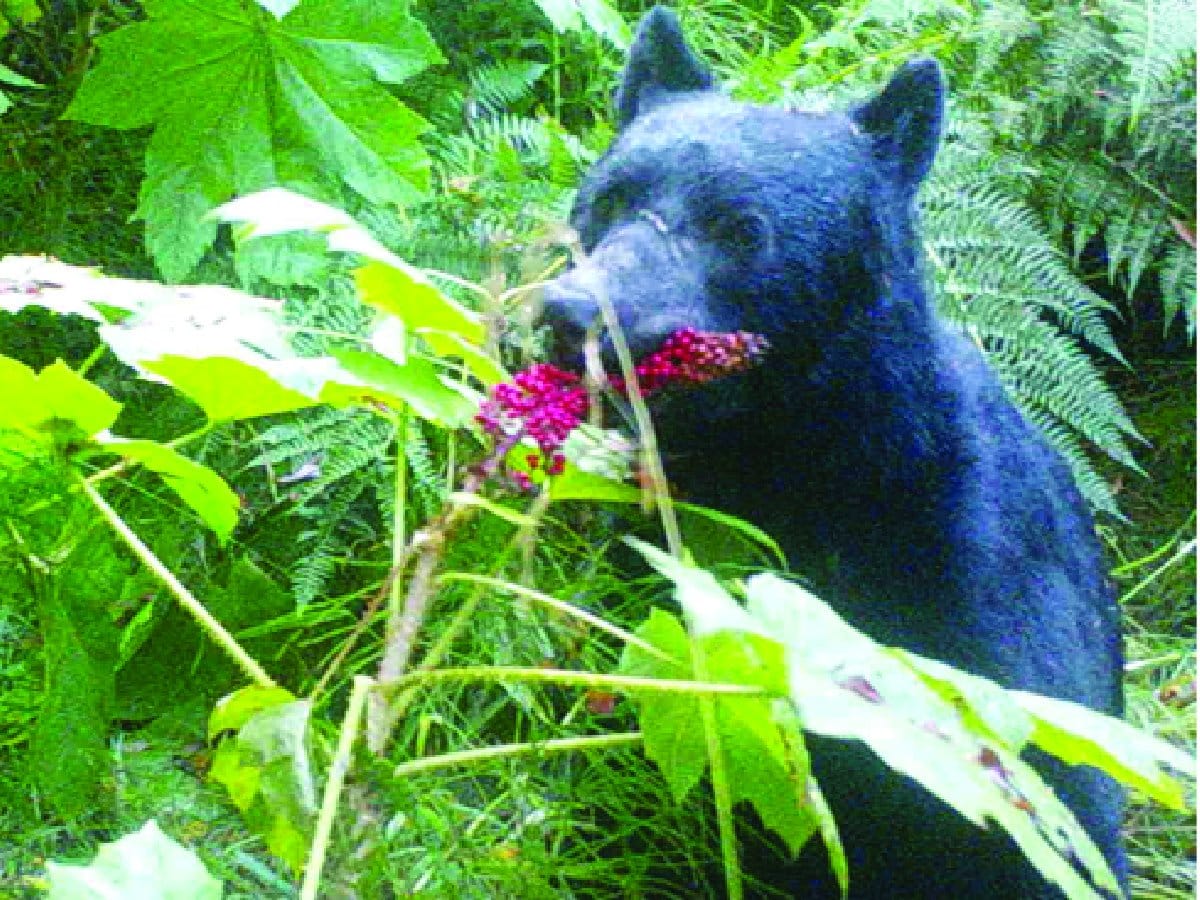

Bears that have fed on berries and nuts tend to taste better than bears that have fed on garbage or dead fish, so ask where the bear was hunted and what it was feeding on.
Spring bear has less fat cover and less fat between the muscles, and is fairly lean. Fall bear carries more fat.
In places like Alaska, where the fall diet is mainly fish, the meat is oilier and tastes quite different from spring bear. Fish-fed bear is often described as strong or fishy.
If you end up with fishy bear, stir fry tender cuts with oyster sauce or fish sauce, and grind tough cuts for burgers, sausage or chili.
Trimming and Cooking
Trimming matters. An Idaho bear hunter says removing all the fat improves the taste of the meat.
Silverskin counts as well, since the membrane covering the muscles can make the meat chewy and gamey.
Her advice is to treat bear like pork, using slow, moist heat for tougher cuts.
The fatty nature of bear suits slow-cooked roasts, and it is also good ground for sausage and meatloaf. Braises and stews work well for the same reason.
Rendered bear fat is highly sought after for cooking and baking, and it is similar to coconut oil once rendered down.
Trichinosis Risk and Safe Temperature
Unlike deer, bear is a common host for parasites. Black bears are common hosts for Trichinella parasites.
An Alaska Department of Fish and Game expert is quoted as saying, "People should always assume bear meat is infected." You cannot spot it by looking at the meat.
Early symptoms of trichinellosis include diarrhea, abdominal cramps, nausea and vomiting, followed by fever, muscle pains, facial swelling and fatigue. Symptoms can last from weeks to months.
The CDC puts the number at 165°F. Cooking wild game meat to an internal temperature of at least 165°F is necessary to kill Trichinella parasites.
Some state agencies list 160°F. Missouri says wild game should be cooked to an internal temperature of 160°F, and Alaska says to cook thoroughly to 160°F, then hold at that temperature for at least three minutes.
Cooking bear to 165°F meets all of these numbers, so that is the target.
Check the thickest part with a thermometer, and treat ground bear, sausage and burgers the same way.
Do not trust color. Missouri's guidance says to use a thermometer because color is not a good indicator of doneness.
Bear's dark color can make doneness hard to judge.
Bear steaks are not a medium-rare cut. There is no safe rare version of this meat.
Why Freezing Is Not Enough

Some hunters were taught to freeze meat and call it safe. Freezing may not be enough for the Trichinella found in bear.
A CDC report on the 2022 outbreak describes eight people who shared a meal that included black bear meat frozen for 45 days. Six trichinellosis cases followed.
The hunting outfitter had recommended freezing the meat to kill parasites.
Missouri adds that smoking, freezing, or curing game meat does not kill all Trichinella parasites.
A CDC journal report covers an outbreak linked to undercooked bear jerky in North Carolina in 2024.
Cook bear meat to a safe internal temperature to kill Trichinella and prevent infection. This includes jerky and any other dried or smoked bear meat.
Keep raw bear away from other foods. In the 2022 outbreak, two patients who only ate vegetables were infected, apparently through cross-contamination.
Use separate boards and utensils, and wash them well after raw bear.
Is It Worth Eating?
Yes, if you pick the right bear and cook it properly. A berry and nut fed bear, trimmed well and braised or roasted to 165°F, makes a rich, pork-like meal.
Bear is a heavy, flavorful meat that suits long cooking.
Sources
- What Does Bear Meat Taste Like?
- The Mystery of Bear Meat
- Simple, hearty and delicious
- Outbreak of Human Trichinellosis, Arizona, Minnesota, and South Dakota, 2022 (CDC MMWR)
- Notes from the Field: Suspected Outbreak of Trichinellosis Associated with Undercooked Bear Meat, North Carolina, November 2023 (CDC MMWR)
- Trichinellosis Outbreak Linked to Undercooked Bear Jerky, North Carolina, USA, 2024 (CDC Emerging Infectious Diseases)
- Bear: Properly Cook All Game (Missouri Department of Conservation)
- Parasite Reminds Hunters: Bear Meat Must Be Thoroughly Cooked (Alaska Department of Fish and Game)