
Cuts of Venison Explained (Every Cut)
Cuts of Venison Explained
There are numerous cuts of venison on a deer, each with its own best uses and methods for cutting.
NECK
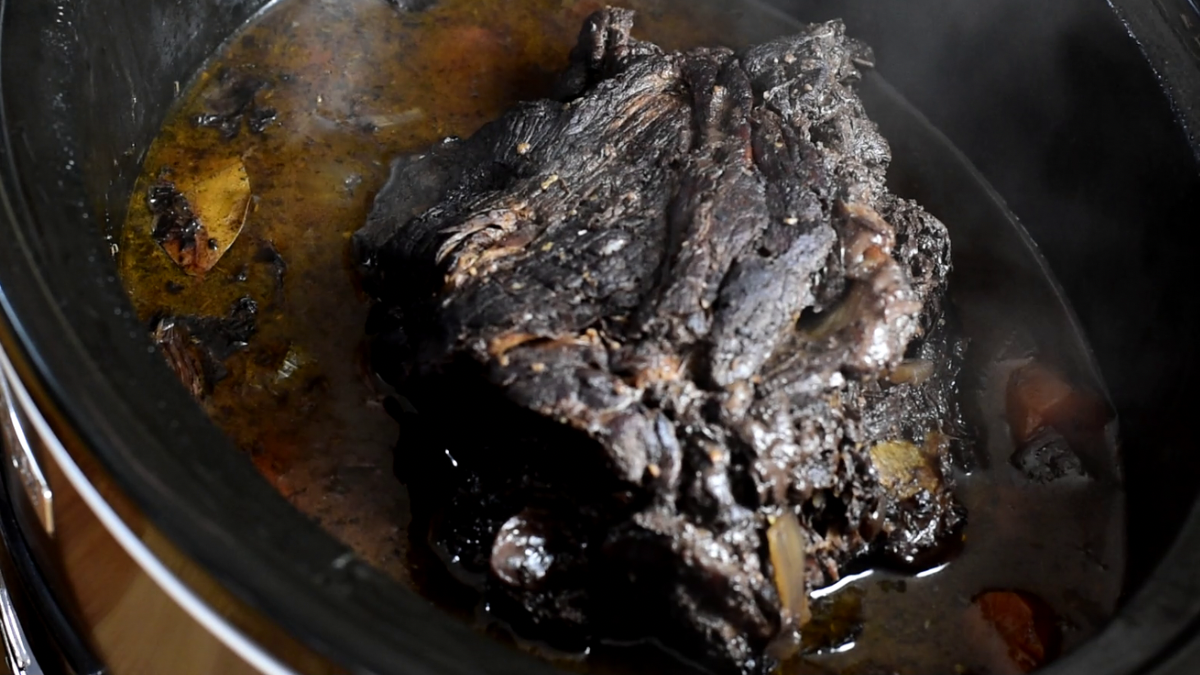
Venison neck is probably the best cut for roast and can be left with the bone in or boneless.
Location
The neck runs from just below the skull to just before the backstrap.
Some people end the neck cut a couple of inches before the backstrap and count that piece as part of the chuck.
The neck and chuck are very similar in texture and cooking methods, so either way of cutting is fine.
Removal
The neck is best removed after you have removed the backstrap.
There are two approaches: bone-in or boneless.
If removing the meat from the bone, place your knife beside the spine and gradually work the meat away. Most people using this method will be grinding the meat, so you don't need to be overly careful.
I prefer to leave the meat on the bone. To do this, find the neck joint and work your knife in to separate it.
This is easier said than done, but with a little practice you'll get the hang of it.
Best Uses
Bone-in venison neck is tough and chewy if not cooked properly.
However, when done right, it is an extremely flavorful cut.
The majority of the time I use venison neck for a roast or stew in a slow cooker for six hours or more to ensure the meat is nice and tender.
An alternative method is to cook it in a pressure cooker or slow-cook it on the grill.
BRISKET
When you hear the word brisket, you may be thinking of a nice big juicy slab of meat that has been slow cooking on the grill for several hours.
Sadly, that's not venison brisket.
Venison brisket is more similar to venison flank — it's thin and not very meaty.
Location
The brisket is the chest of the deer.
Sometimes people will cut it off along with the meat that covers the ribs.
Removal
The brisket is easily removed and has no bones or joints connecting to it.
It can be cut off with or without the outer rib meat.
If not taking the rib meat, cut the meat from the inner cavity only.
If taking the rib meat as well, start at the ribs and pull the outer layer of meat with your hands. Use a sharp knife to gently cut the connecting fascia.
Best Uses
Even though venison brisket is nothing like a big juicy beef brisket, it still has plenty of flavor.
SHOULDER
The venison shoulder is made up of a few different muscle groups and is also sometimes known as the chuck.
Most of this meat usually ends up in the grind pile.
Location
The shoulder is the upper muscle group of the front legs.
There are a few different muscles in this group, but the shoulder is rarely divided into separate cuts.
Removal
The shoulder has no joint holding it to the body and is easily separated from the animal.
Once separated, you can begin removing the meat.
The only bone is the shoulder blade, which I like to keep for stock.
On the back side of the shoulder blade, you will find the flat iron.
Best Uses
Given that most of the shoulder is tough meat, I like to grind most of it up.
You can also cut it into pieces for stew or goulash.
FLAT IRON
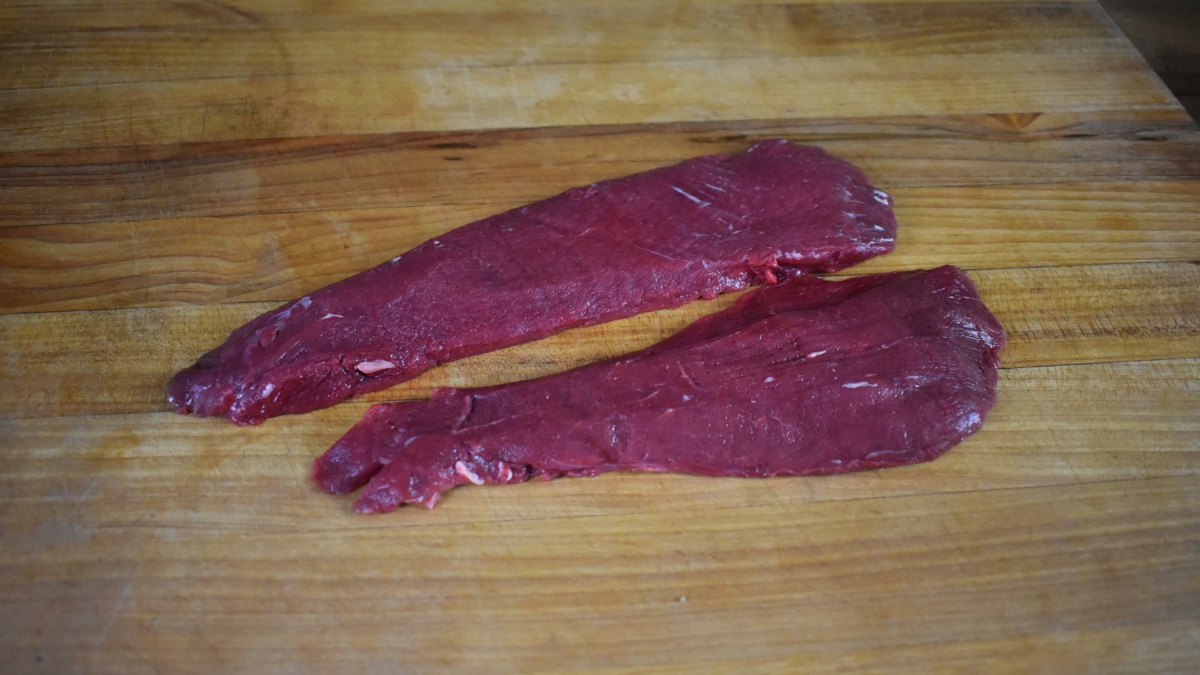
The flat iron is one of my favorite cuts of venison.
Not many people know of this cut, and even fewer get to utilize it.
Location
The flat iron is located on the shoulder blade.
When you look at a deer's shoulder blade, there is a meaty side and a concave-looking side. The flat iron is the meaty side.
Removal
Removing the flat iron is a little more challenging than some other cuts, but with patience and time you can easily manage it.
You'll need a good knife — some people prefer a filleting knife, others a boning knife. I mostly use a Victorinox Fibrox boning knife.
When you look at the shoulder blade, you will see a ridged edge. Place your knife against this edge and make a cut to the flat part of the shoulder blade.
Start working the knife under the meat, keeping it pressed against the bone.
Once the meat is separated, you need to remove the silver skin, which runs through the center of the meat.
Using a sharp knife, start at the corner and cut as close to the silver skin as you can. This is a bit like filleting a fish.
After cutting off the top side, do the same to remove the silver skin from the bottom.
Best Uses
The flat iron works well for a wide variety of dishes. I like to use it most as a steak.
It has more flavor than a tenderloin or backstrap and is almost equally as tender as a backstrap.
It's fantastic for pan frying or grilling.
It can also be used anywhere that calls for thinly sliced meat, such as venison teriyaki or stroganoff.
RIBS
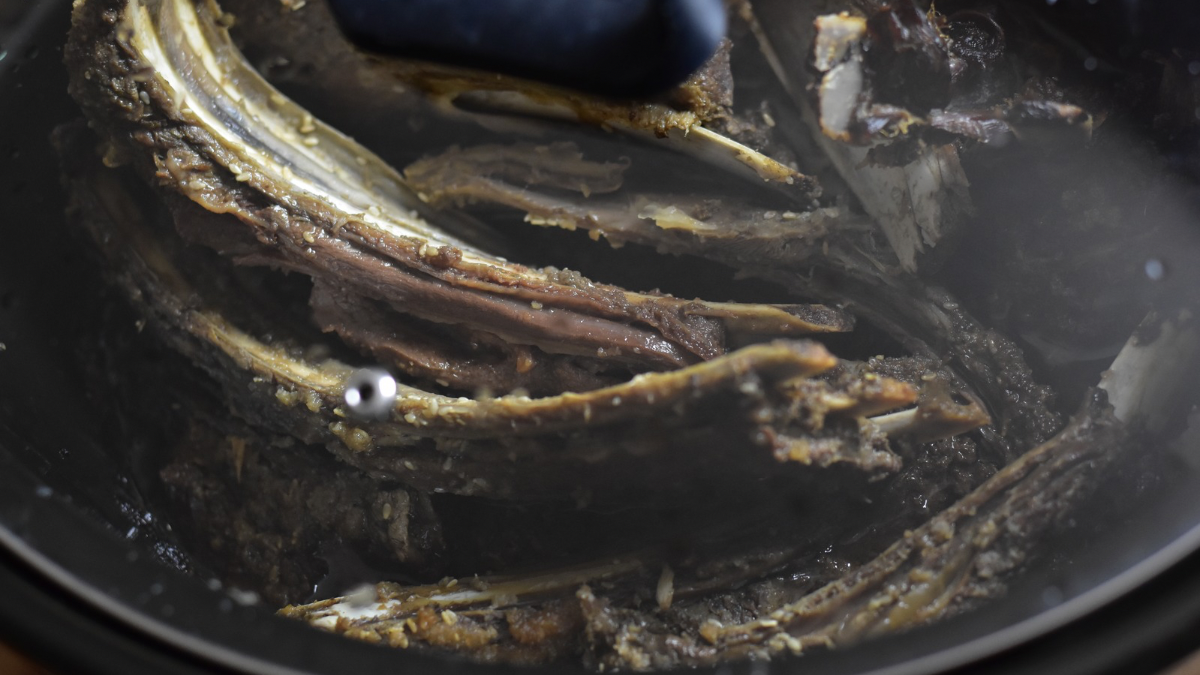
Venison ribs don't get much love, at least not as much as they should.
Yes, I hear you — there's not much meat on the ribs.
Yet the same people saying this will trim out the rib meat for grinding. It's just as easy to throw them on the grill.
Location
The ribs make up the main part of the carcass, with 13 ribs on each side for a total of 26 ribs on a whitetail deer.
Removal
Removing the ribs is simple but requires some sort of saw. You can use a bone saw or hacksaw, but a sawzall saves a lot of time.
First, cut the whole rack from the deer by sawing just below the spine.
Once you have the whole rack, you can decide on the cut style.
Venison ribs don't have as much meat as beef or pork ribs, so I usually make spare ribs. You can also cut them into St. Louis-style, baby back, or country-style.
Another option is to make a full rack by leaving the backstrap in and roasting the whole thing — makes for a great roast.
You can also slice between the ribs to make venison tomahawk steaks.
If you don't want to cook the ribs whole, extract the meat by running your knife flat against the bone between each rib.
For whole racks, you'll need to remove the membrane. Slide your knife under the membrane to create an edge, then grab it with a paper towel and peel. It breaks easily, so just repeat the process.
Best Uses
Venison ribs are worth the extra effort beyond just grinding.
They have a lot of membrane that's tough to remove entirely, so I like to char them on the grill or slow-cook them.
BACKSTRAP / LOIN
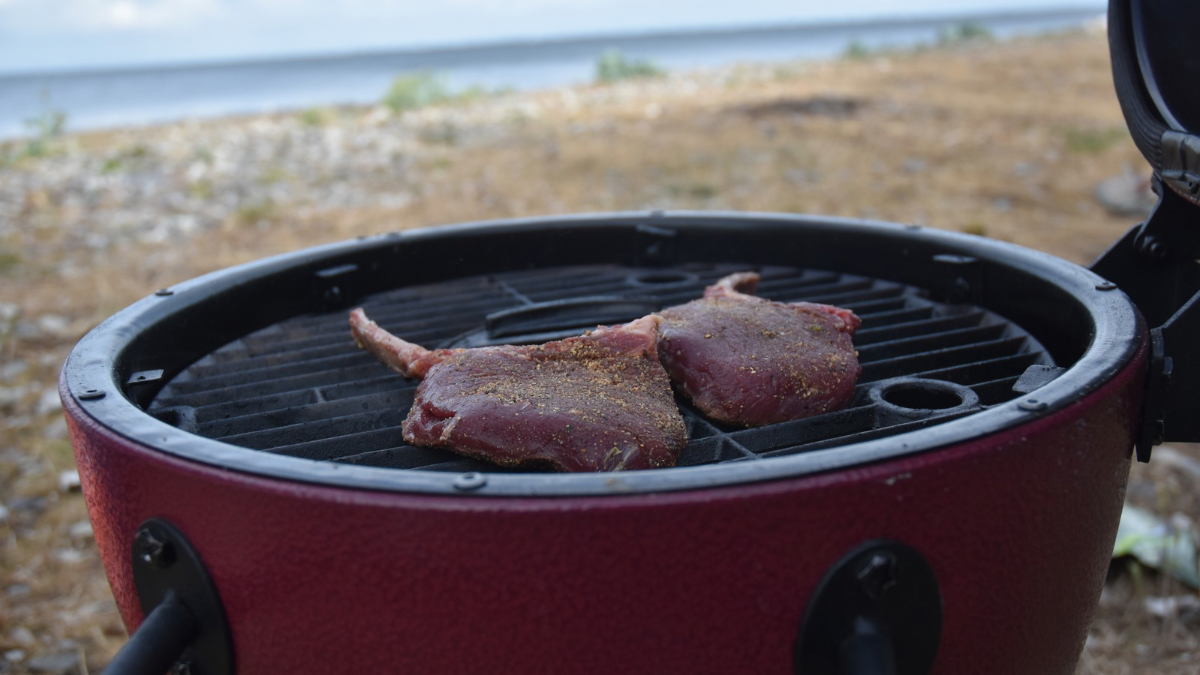
The backstrap is one of the most popular cuts of venison, along with the tenderloin.
There are two reasons for this: it's a tender boneless cut, and it's extremely versatile.
Location
The backstrap, sometimes called the loin, is the large muscle running along each side of the deer's spine.
Removal
Removing the backstrap is relatively easy. The main thing to watch out for is not leaving too much meat on the bone.
Make a cut at either end of the backstrap, then place your knife at the spine and start working down while simultaneously working under the backstrap.
It will begin to fall away, so you may need to hold it with one hand.
Best Uses
The backstrap is versatile due to its tenderness and size.
It's most commonly used for butterflied steaks and can also be cooked whole in the oven and sliced after.
It works well in Asian dishes like Mongolian venison.
It also makes excellent jerky, though there are lesser-quality cuts better suited for that purpose.
TENDERLOIN
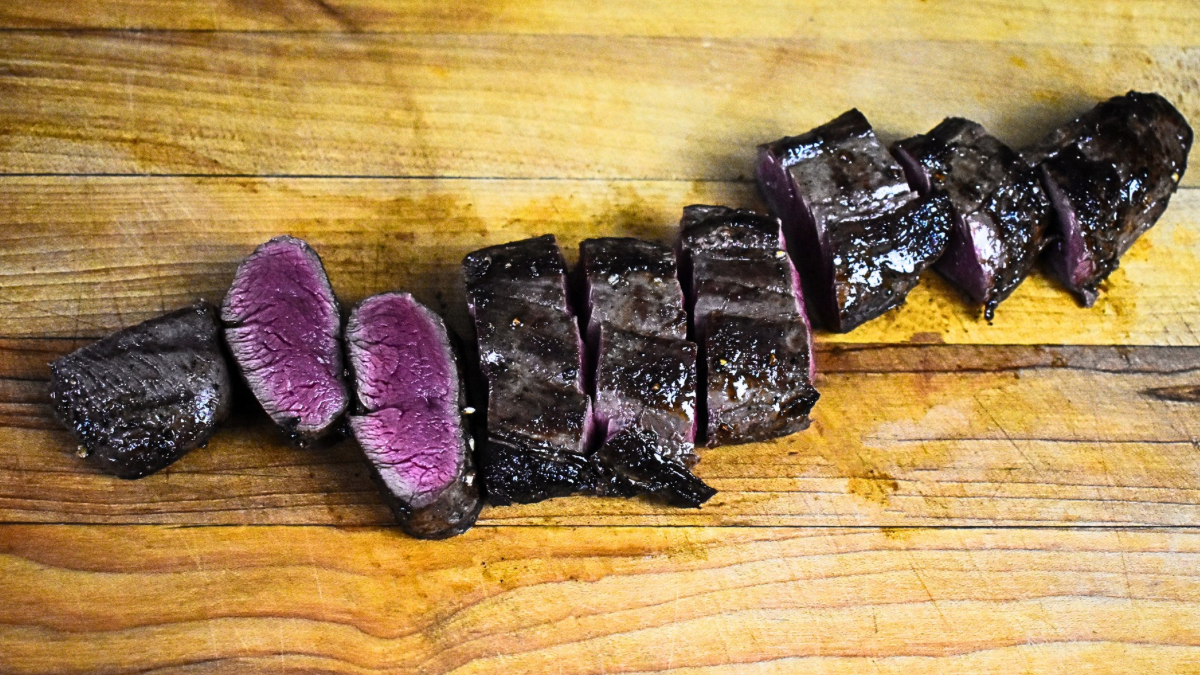
Some people would call the tenderloin the star of the show, and they wouldn't be wrong.
It's by far the most tender cut on a deer, and its beef equivalent would be one of the most expensive cuts.
Location
The tenderloin lies on the underside of the spine, below the backstrap.
The most accessible point of entry is through the cavity.
Removal
The tenderloin is probably the easiest cut to butcher — I've often done it without using a knife.
Once you locate it, gently push your fingers behind it and it will begin to separate. Be careful here, as it's easy to tear.
You may need a knife to ensure clean removal at the ends.
There is an additional piece that easily separates from the main cut. This piece is not as tender and is best reserved for other dishes or added to the grind pile.
Minimal trimming is required once removed.
Best Uses
Like the backstrap, the tenderloin is best known for steak — in the culinary world this would be filet mignon.
You can cook it in a pan or oven, whole or sliced.
It needs very little cooking and should be handled with care as it's very easy to overcook.
Other great uses include delicate dishes like carpaccio or tartare.
RUMP
The rump is an often-forgotten cut, although it has many uses.
It can be ground, roasted, stewed, or even made into steak.
Location
The rump is part of the hindquarter that covers the pelvis.
It is located between the backstrap and the hindquarter.
Removal
You can remove the rump before or after removing the hindquarter.
Once the backstrap is removed, there will be some meat left on the upper side of the hindquarter where it attaches to the pelvis — this is the rump.
It doesn't have the same defined structure as other muscle groups.
To remove, first split the pelvis in half, then use a hand saw or sawzall to cut the pelvis from the hindquarter.
Use your boning knife to cut the meat from the pelvis bone.
Best Uses
The rump can be used in many dishes depending on the size of the cut.
Popular options include rump roast or rump steak.
TOP ROUND
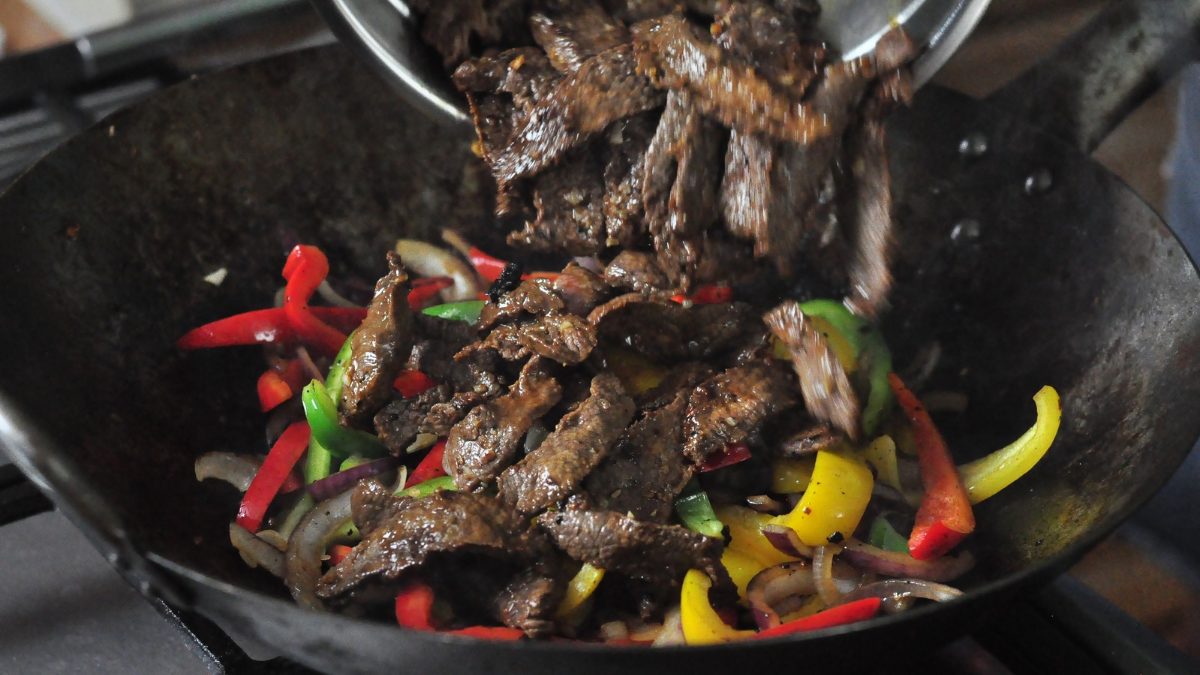
The top round is a large cut of meat with many great uses.
Location
The top round is one of the largest muscles of the hindquarter.
It is located on the inside of the hind leg.
Removal
The top round is easily removed once the shank and femur are taken out.
Often you won't even need a knife, as it's mostly connected by fascia — though a knife helps for nicking it.
To remove the femur, place your knife flat against the bone and follow its curvature on each side.
I like to leave a little meat on the bone for stock.
Best Uses
The top round is the most tender cut on the hindquarter.
Not as tender as some prime cuts, but worth keeping out of the grind pile.
I like to slice it for stir fry or use it for roast.
BOTTOM ROUND
The bottom round is another large cut from the hindquarter.
Not as tender as the top round, but still versatile.
Location
Located on the outside of the hind leg, opposite the top round.
Removal
Follow the seams of the muscle group with your knife.
Best Uses
I like to use the bottom round for jerky.
It's not very tender but has a distinct grain.
EYE OF ROUND
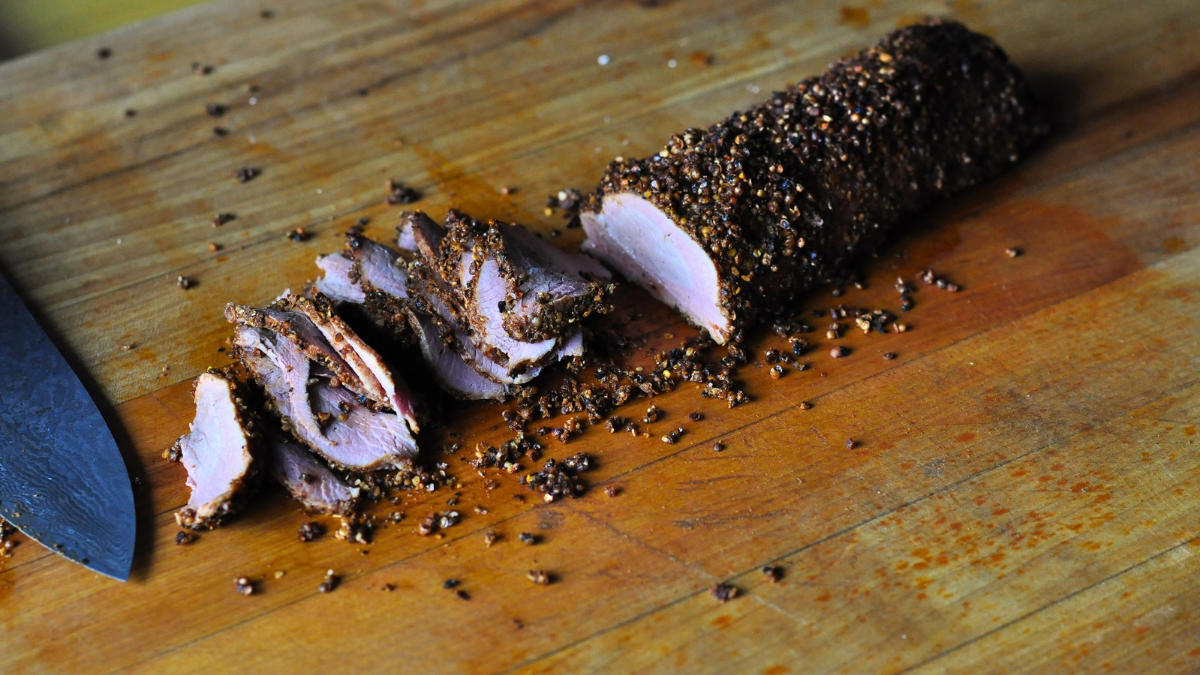
The eye of round is a long, slim cut that almost looks like a tenderloin.
Location
It sits between the bottom round and the top round.
Removal
Easy to remove and doesn't even require a knife.
Once the top round is removed, you can break apart the fascia with your finger or knife.
Best Uses
This is a cut I add to the grind pile as it's not very tender.
SIRLOIN
The sirloin in a deer is actually three different cuts: the sirloin tip, the tri-tip, and the sirloin butt.
Location
All three cuts are located on the hind leg.
Removal
Once you have the top round, bottom round, shank, and eye of round removed from the hindquarter, you'll be left with these three cuts.
Each is easily separated by cutting along the seams of the muscle groups.
Best Uses
Sirloin tip — best for stewing or roasting.
Tri-tip — best for grinding.
Sirloin butt — best for hot and fast cooking, such as stir fry.
FLANK
The flank is a thin cut of meat that you can incorporate into many dishes.
Location
The flank runs from just inside the hind leg to the last rib.
Removal
Start your cut on the inside of the hind leg and cut all the way down to the rib cage.
Best Uses
I like to use the flank for thin cuts, given that it is naturally thin.
Many people prefer to grind it because although it's thin, it's not very tender. I think that's a shame, as there are many ways to tenderize the meat.
One of my favorites is the velveting technique. I then use the flank in many Asian dishes.
It's also a great cut for making jerky.
SHANKS
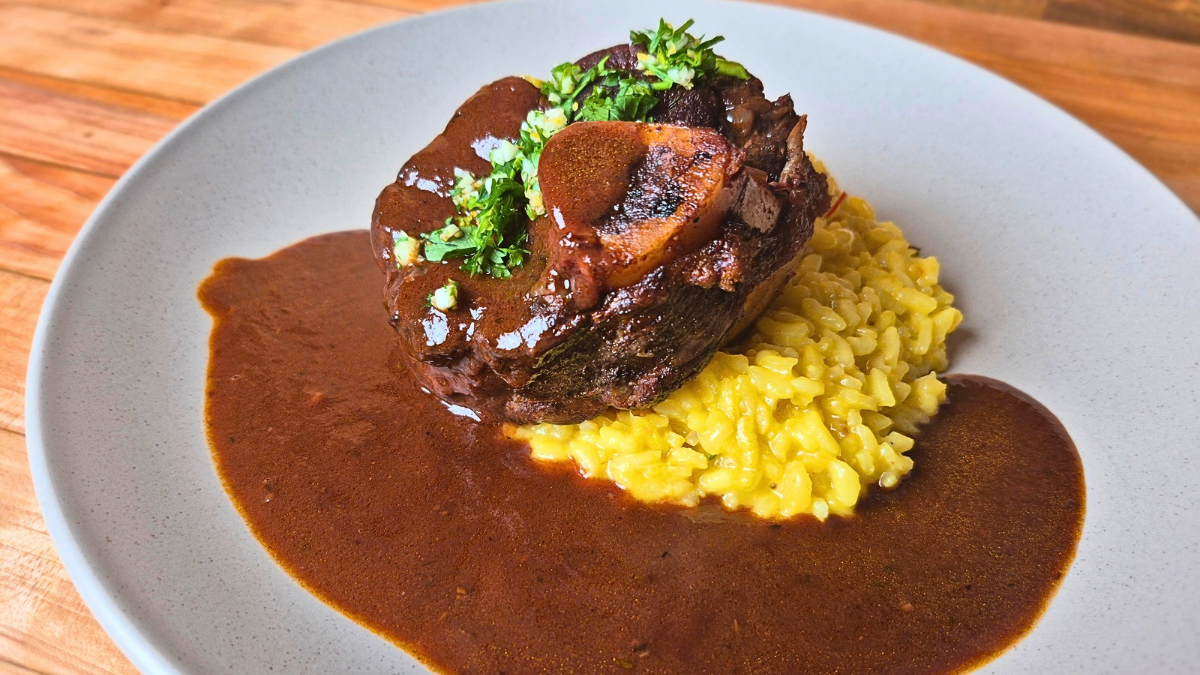
Venison shanks are another one of my favorite cuts.
Sadly, they're another cut that many people don't fully utilize.
Location
The shank is located just below the shoulder on the front legs and below the hindquarter on the hind legs.
There are four shanks total on a deer.
Removal
The shanks are easily removed but take a little practice.
Each can be separated at the joints and will follow the line of the other muscles.
Move the shank to see where it connects to the larger muscle group — where it moves is where you make your first cut.
Work your knife into the joint to cut through the sinew, then continue along the muscle line.
Many of the muscle groups will separate without cutting. You may only need to cut the fascia holding them together.
Best Uses
The shank is one of the toughest cuts, which is why most people don't know what to do with it.
It also happens to be one of the most flavorful.
Before doing anything with the shank, I recommend charring it quickly on the grill or in a cast iron pan. This crisps up the silver skin and membrane and gives a nice deep smoky flavor.
From there, you can stew it in a slow cooker or make the classic osso buco.
One of my favorite things to do with venison shank is pulled venison tacos.
HEART
Venison heart is hit or miss. Some people find it a delicacy, while others find it too strong.
Location
The heart is located in the deer's cavity.
Removal
Removing the heart is easy, although depending on shot accuracy there may be considerable damage.
You can remove it almost entirely by hand, though the sack it sits in may require a small nick with your knife.
Best Uses
Many hunters like to eat the heart right in the field — some even eat it raw.
I find the heart is best when pan-fried or used for tacos.
LIVER
Venison liver is stronger than beef liver, but with the right recipe makes great food.
Location
The liver sits towards the back of the deer's cavity.
Removal
Easily removed and usually comes out when gutting the deer.
Best Uses
The single best use for deer liver is simply pan-fried.
For something more involved, terrines or pâtés are a fantastic use of this cut.
KIDNEYS
The kidneys are often left to the scavengers in the field, as most hunters find them too strong.
Location
Also located in the cavity and removed when gutting the deer.
Removal
The kidneys are usually surrounded by a lot of fat and may need trimming.
Best Uses
Most hunters find the kidneys too strong.
I find that marinating them in buttermilk or salt water overnight makes them more palatable.
One of my favorites is steak and kidney pie.
Kidneys also work well pan-fried.
TONGUE
The tongue is another cut that doesn't get utilized often.
Removal
The best way to remove the tongue is after removing the head.
Enter from the base of the skull where the neck joins — it's easier to make a cut at the back of the tongue rather than going through the mouth.
Best Uses
There are many dishes you can make with the tongue.
Some of my favorites are tacos, braised tongue, or simply pan-fried.